












Nipa
Iṣẹ mi joko ni ikorita ti idagbasoke eto-ọrọ, iṣẹ-ogbin, abo, ati wiwọn ni awọn orilẹ-ede to sese ndagbasoke. Mo lo awọn iwadii idile nla ati data geospatial lati ṣe iwadi bi awọn idile, awọn oko, ati awọn ọja ṣe n ṣiṣẹ, ni pataki ni awọn eto nibiti data ko to tabi nira lati gba. Mo gba PhD mi ni Ile-ẹkọ giga ni Geneva ati pe Mo ti ṣiṣẹ pẹlu data iwadi ni IFPRI, IMF, ati Banki Agbaye.
Mo da Dollar Scholarssilẹ, ipilẹ kan ti o pese ẹkọ owo ti o da lori ẹri si awọn agbalagba ti o le ma ni iraye si rẹ. Mo tun kọ oju opo wẹẹbu rẹ ati ibeere multilingual.
Ṣaaju eto-ọrọ, Mo lo ọdun meje bi asọye eSports ọjọgbọn, pipe awọn ere-idije Counter-Strike ati Warcraft III lati Seoul si Monza laarin 2004 ati 2011. Mo tun mu Counter-Strike 2 ati Overwatch 2, ati igbogun bi bard ni EverQuest.
Iwadi
-
Iwe iṣẹ
Spreading the love around: how does agricultural labor demand respond to temporary weather shocks?
Ni awọn orilẹ-ede mẹfa, awọn idile oko gbẹkẹle pupọ lori iṣẹ ẹbi lakoko awọn ọgbẹ ati awọn akoko tutu alailẹgbẹ. Awọn idile ti o ni olori awọn obinrin ni ihamọ diẹ sii.
Abstract
This is the first study to separately identify labor demand responses to both unanticipated droughts and periods of above normal rainfall for three forms of agricultural labor that are central to agricultural production: family, hired, and mutual exchange labor. I use a simple parcel‑level model with three labor types and monitoring costs to study how family labor is reallocated across parcels during drought. In six countries I find small but statistically significant decreases in the share of hired labor during droughts and during periods of above-normal rainfall, indicating a strong reliance on family labor during shocks. I find that farm households appear to lean heavily on exchange labor by using exchange labor more frequently during periods of above-normal rainfall. Due to the heavy reliance on family labor, household size and the gender of the household head are important moderating factors. Women-headed households appear to be significantly more constrained in how they apply labor on family farms. My findings underscore that these labor types are distinct in how they respond to temporary weather shocks. The results of my analysis have important implications for policies targeted at stimulating agricultural labor markets.
-
Iṣẹ ti nlọ lọwọ
Assessing land area from above: evidence from Armenia
Iwadii laileto laarin iwadi idile kan: awọn aaye wiwa lori awọn aworan satẹlaiti gba akoko 42% kere ju wiwọn pẹlu GPS ati ilọsiwaju lori awọn iṣiro ti ara ẹni, botilẹjẹpe o kere si deede ju GPS lọ.
Abstract
Using primary data collected by the World Bank in Armenia as part of a randomized controlled trial, we evaluate the use of a satellite image tracing to measure agricultural land in the context of a household survey. Satellite tracing offers several benefits, including a large reduction in the cost of measuring land, the potential to measure more parcels of land, and improved security for survey enumerators. We find the satellite tracing approach yields consistent results, and requires 42% less time than measuring with GPS, and provides value-added over self-reported estimates. Due to the potential cost savings, and other non-trivial benefits, we suggest that land measurement via satellite image tracing offers significant value, though is not as accurate as land area estimates conducted with a handheld GPS.
Ẹkọ
O jẹ ọkan ninu wọn, ti kii ba ṣe ọjọgbọn ti o dara julọ ti Mo ti ni ni Ile-ẹkọ giga ti Amẹrika. O jade kuro ni ọna rẹ lati jẹ ki kilasi lo awọn apẹẹrẹ agbaye gidi ti data dipo nini 'Sally ni awọn apples 4 ati Dave ni awọn iṣoro aṣa osan 15... O jẹ ohun gbogbo ti olukọ kọlẹji yẹ ki o jẹ ati lẹhinna diẹ ninu awọn.
-
2021 – 2024
Ọjọgbọn Adjunct · Ile-ẹkọ giga Amẹrika
Economic idagbasoke, loo econometrics, ati ifihan micro- ati macroeconomics, kọ pẹlu gidi data ati gidi-aye apeere.
-
2015 – 2018
Graduate Institute, Geneva
Economics for International Affairs (2015–2016) ati awọn akoko atunyẹwo fun Macroeconomics A (2017–2018).
-
Agbegbe
Economics Discord
A 501 (c) (3) ti kii ṣe èrè ati olupin Discord ti o ni ajọṣepọ nibiti diẹ sii ju awọn ọmọ ile-iwe eto-ọrọ 3,000, awọn oniwadi ati awọn onimọ-ọrọ-aje lati awọn orilẹ-ede 30 ṣe iranlọwọ fun ara wọn lati kọ ẹkọ.
Dollar Scholars
-
Oludasile
Dollar Scholars
Ipilẹ fun ẹkọ owo agbalagba, ti a kọ ni eniyan ati ti o da lori iwadi, nitori kirẹditi ko le ṣe iranlọwọ fun awọn eniyan ti ko mọ bi a ṣe le lo.
Siseto
-
Idagbasoke wẹẹbu
dollarscholars.org
Mo ṣe apẹrẹ, koodu ati itumọ laifọwọyi oju opo wẹẹbu ipilẹ: aaye Django aṣa ti a ṣe apẹrẹ pẹlu Tailwind CSS ati ti ara ẹni pẹlu nginx lori olupin Ubuntu, ti a tun kọ pẹlu aabo ni lokan lẹhin ikọlu cyber. O wa ni awọn ẹya ede 44, pẹlu awọn ede ọtun-si-osi mẹrin (Arabic, Heberu, Persian ati Urdu), ati awọn onitumọ iyọọda le ṣayẹwo ati ṣatunṣe eyikeyi ẹya nipasẹ iṣan-iṣẹ CSV ti o rọrun.
-
Financial Knowledge Study
Iwadi imọ-owo ti o ni ede pupọ ati ibeere ni awọn ede 31, pẹlu awọn ere marun bii Pirate Speak ati 1930s Mobster. Awọn ibeere ti wa ni atunṣe lati Lusardi & Mitchell (2014) ati FINRA Foundation's National Financial Capability Study; awọn itumọ ni a kọ pẹlu Microsoft Copilot ati Deep Translator ati atunyẹwo nipasẹ awọn oluyọọda nibiti o wa.
-
Iširo iwadi
Data ati onínọmbà geospatial
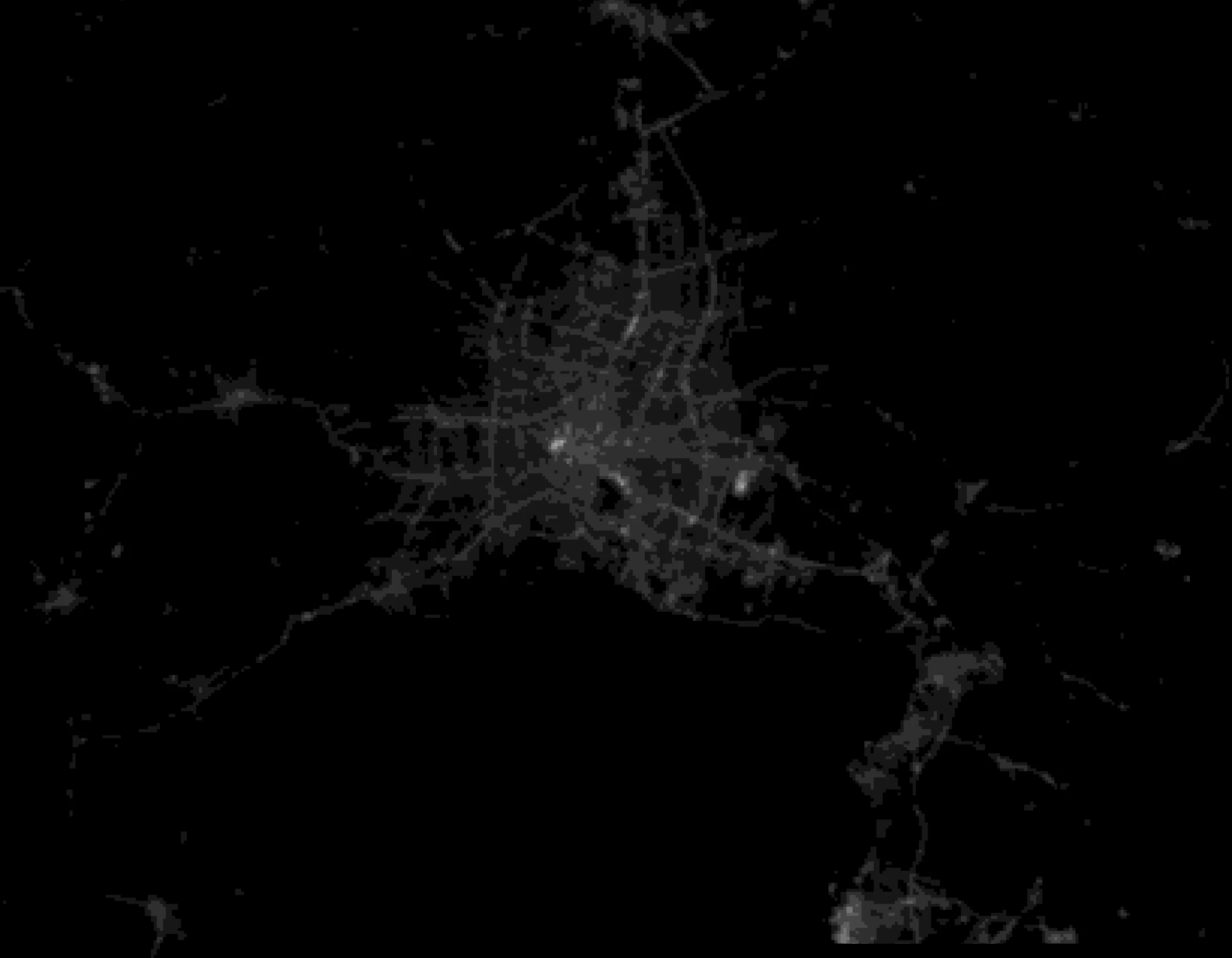
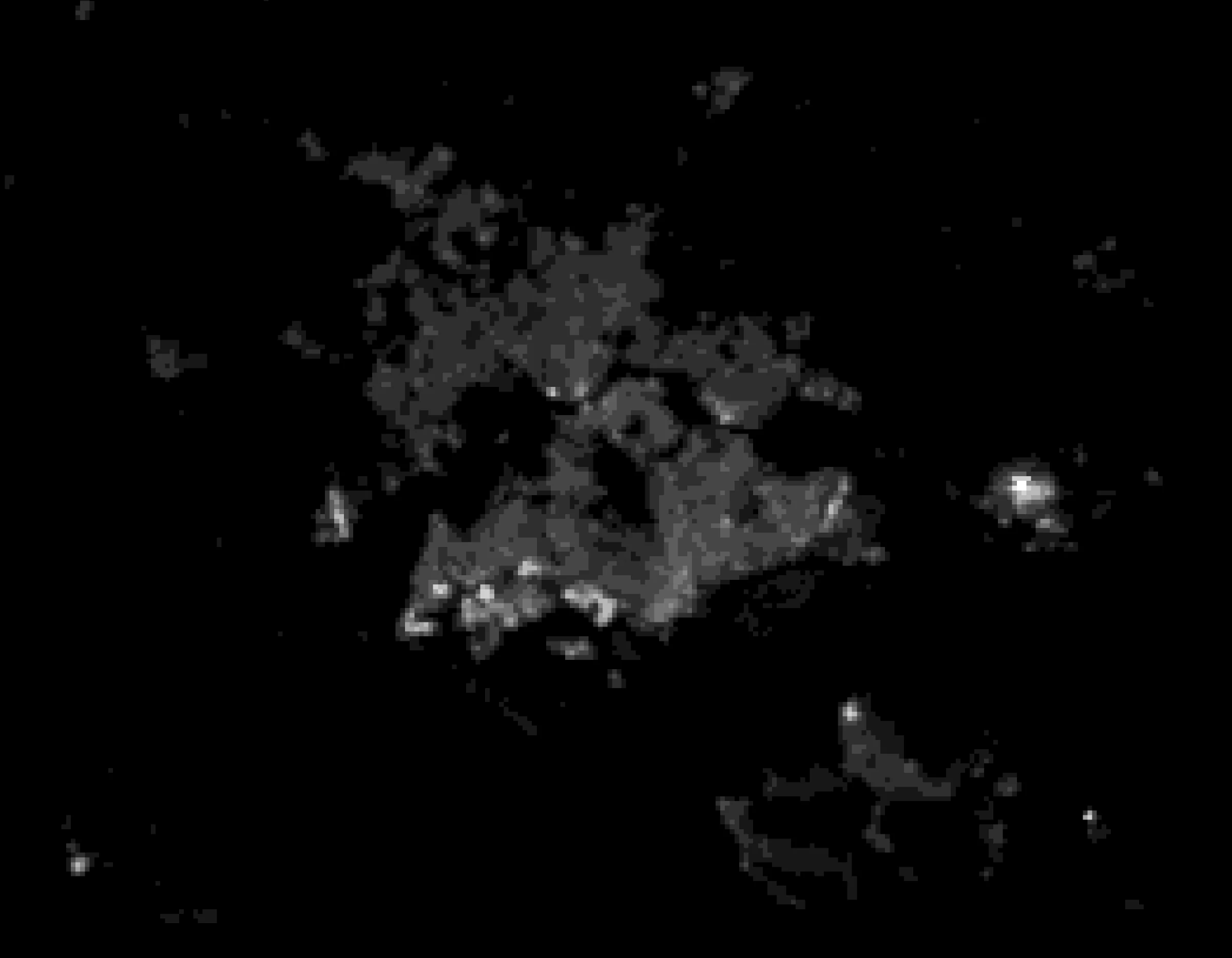
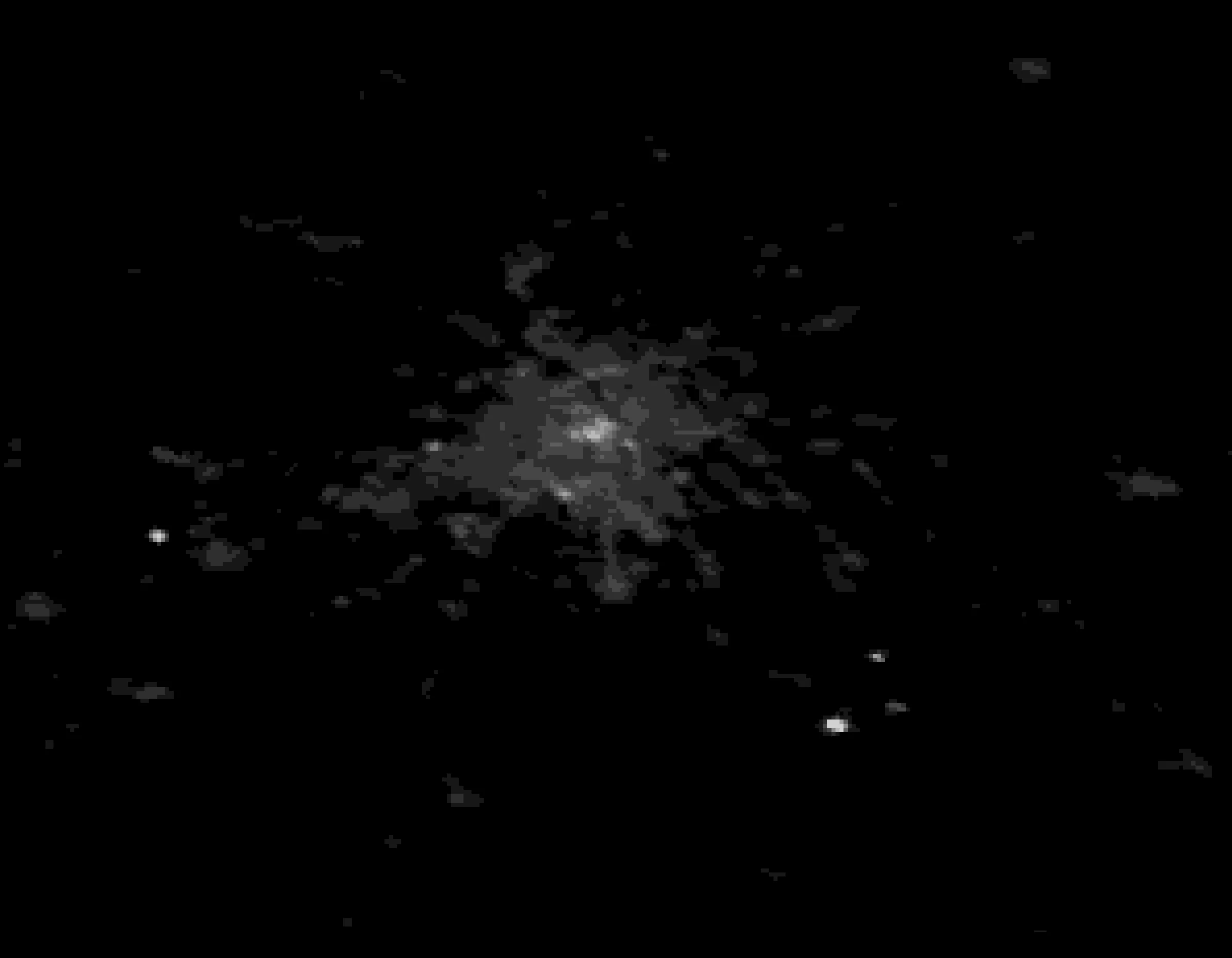
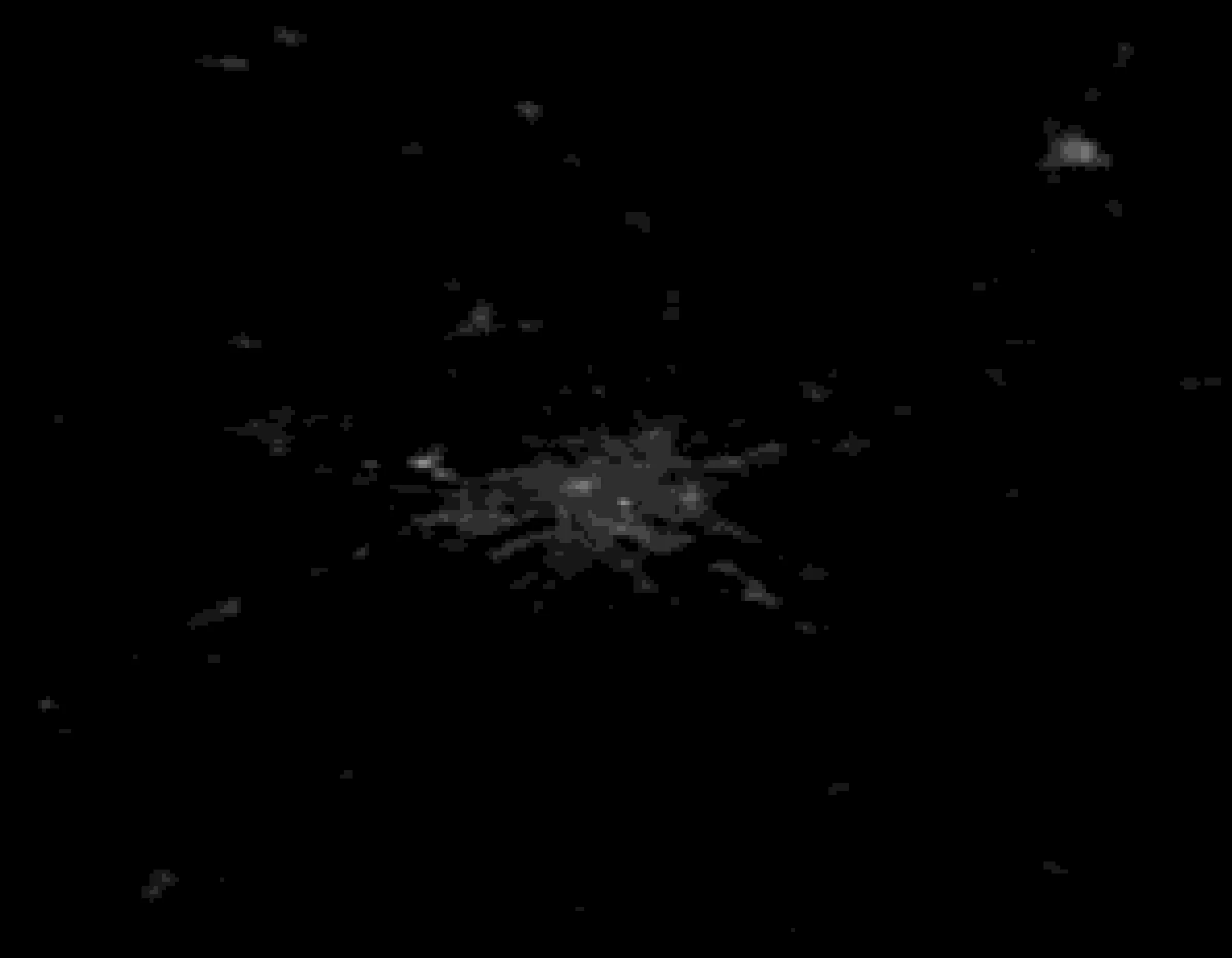
Python (pandas) ati Stata fun awọn akosile nla gẹgẹbi awọn iwadii ile, ati GIS (ArcGIS) fun data satẹlaiti, pẹlu maapu awọn imọlẹ alẹ VIIRS lẹhin oju opo wẹẹbu yii.
Awọn asọye eSports
-
2004 – 2011
Asọye eSports
Ti a npe ni Counter-Strike 1.6 ati Warcraft III fun awọn olugbohunsafefe pẹlu DirecTV, MTV ati MTV Korea, lẹgbẹẹ awọn olugbohunsafefe bii Alex “Vansilli” Nguyen, Glenn “Boomerman” Lane ati Zach “Hoo_man” Godfrey.
-
Tẹ · MTV.com (archived)
Video game play-by-play comes with a deadly challenge