










ꯃꯔꯝꯗ
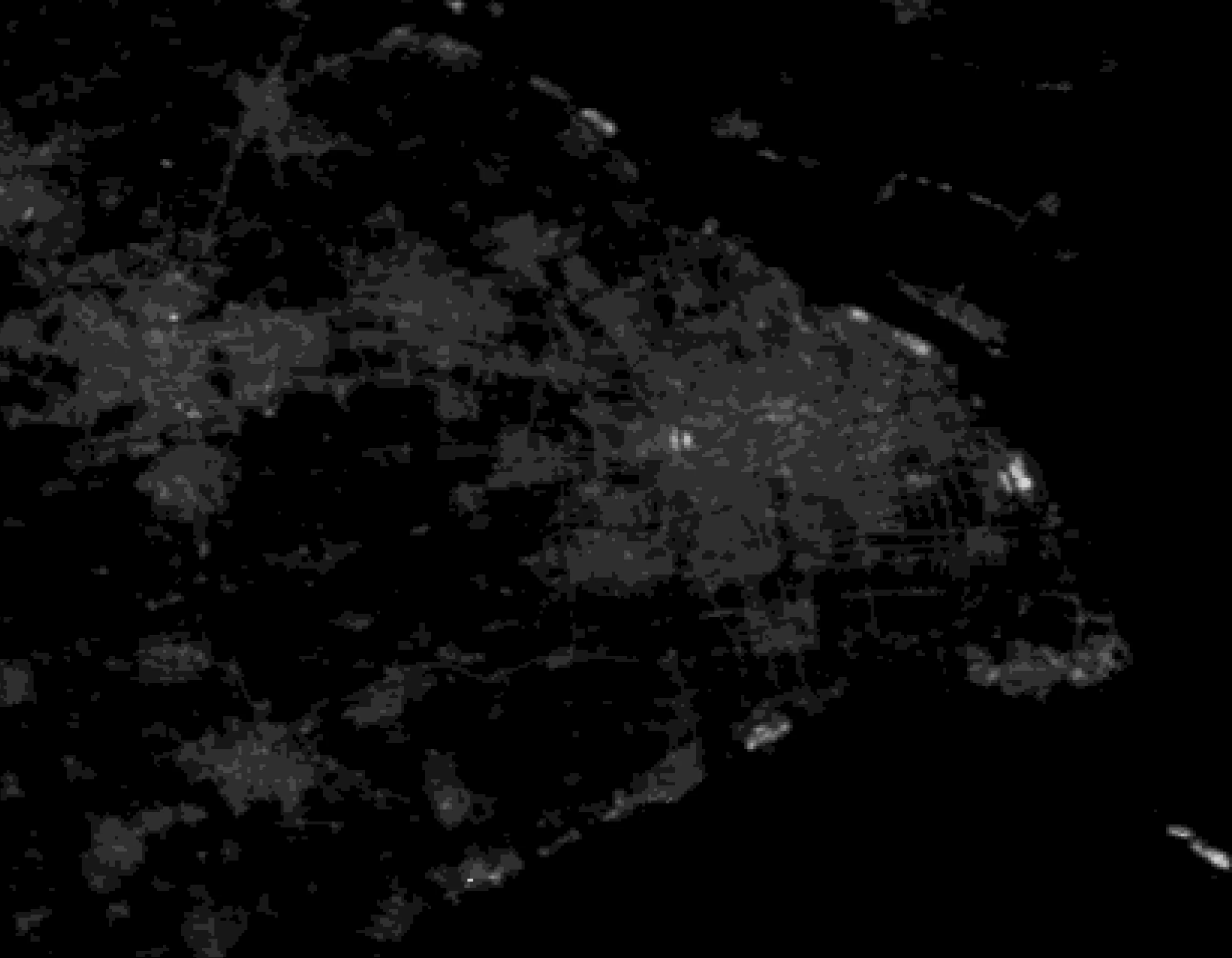
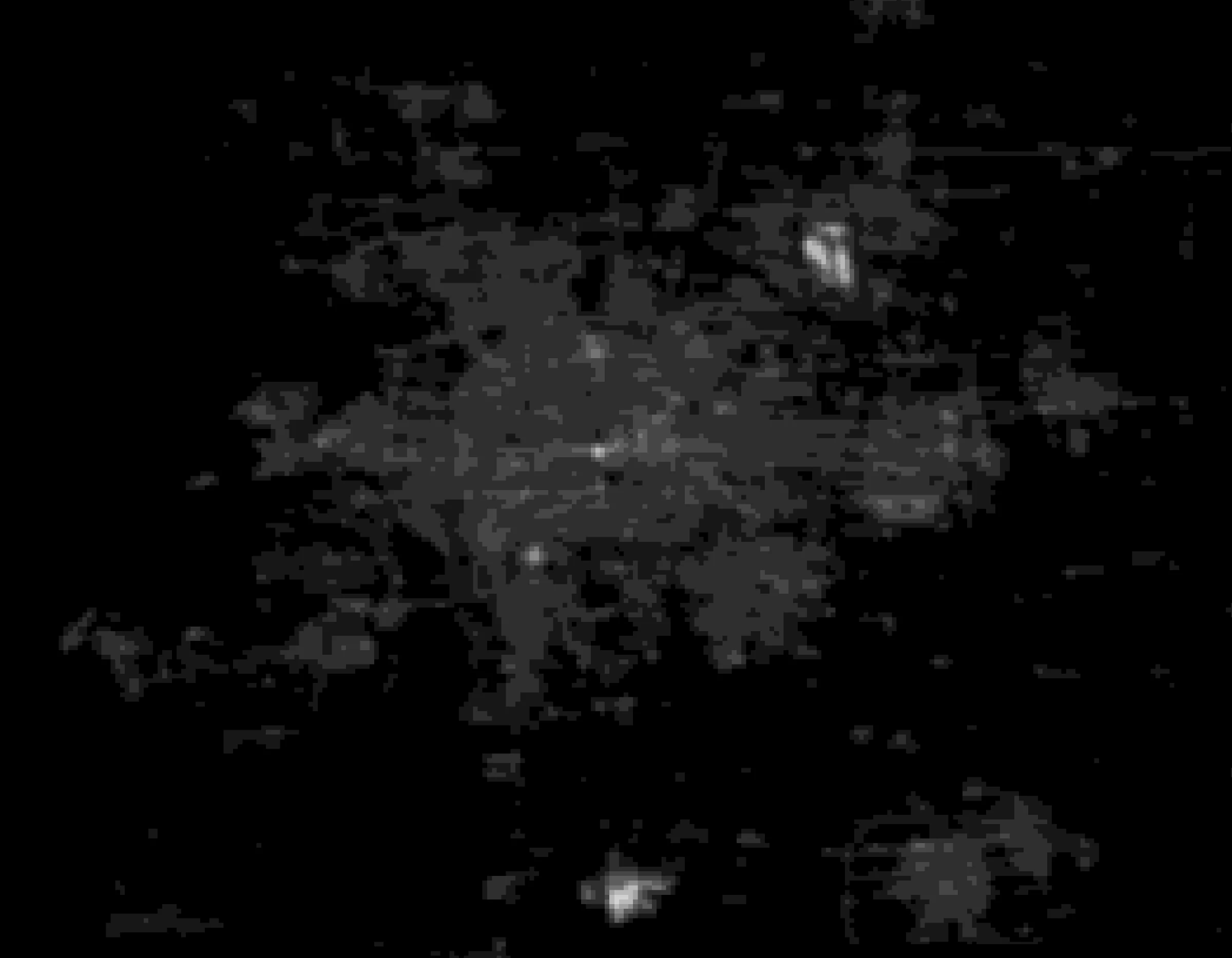
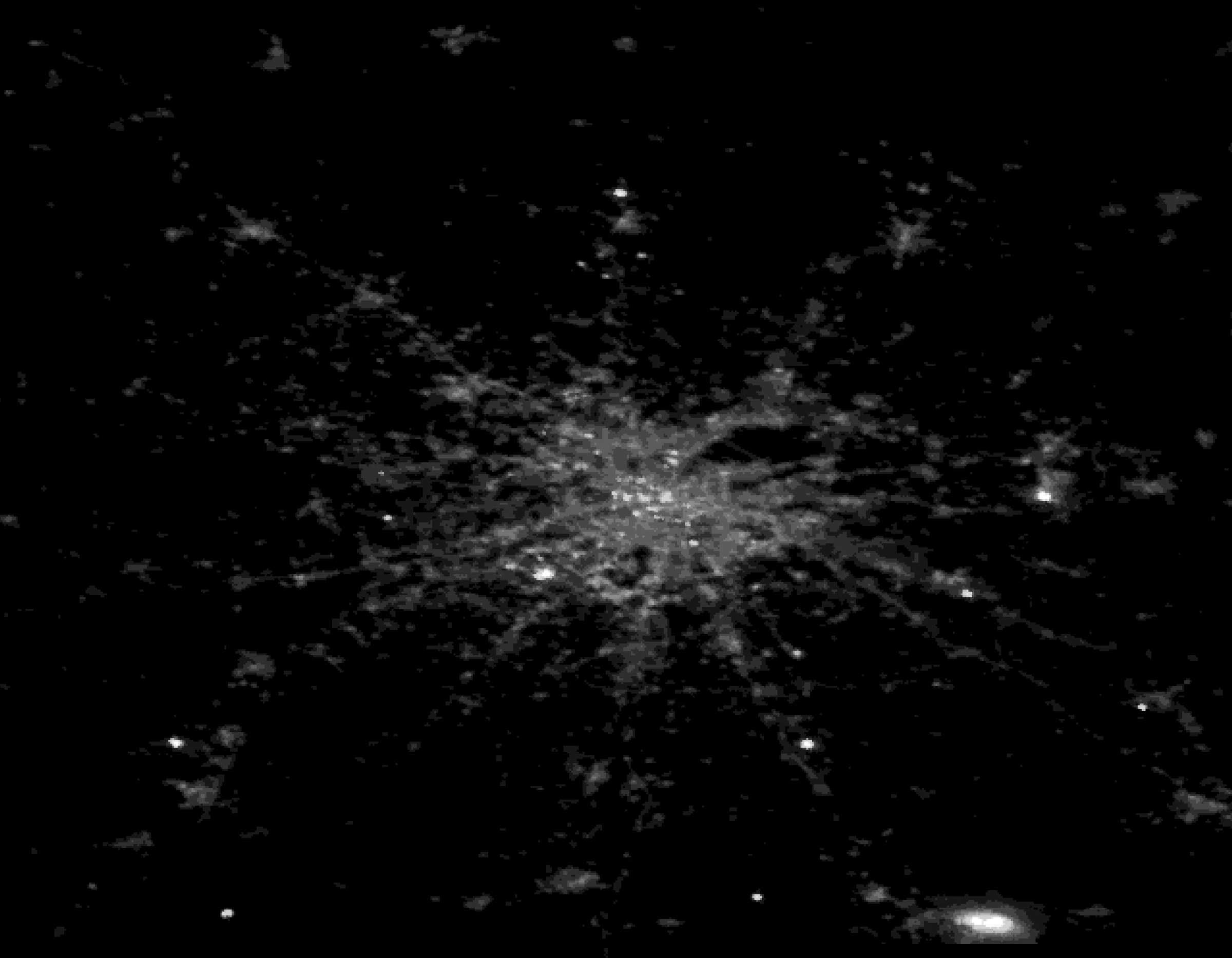
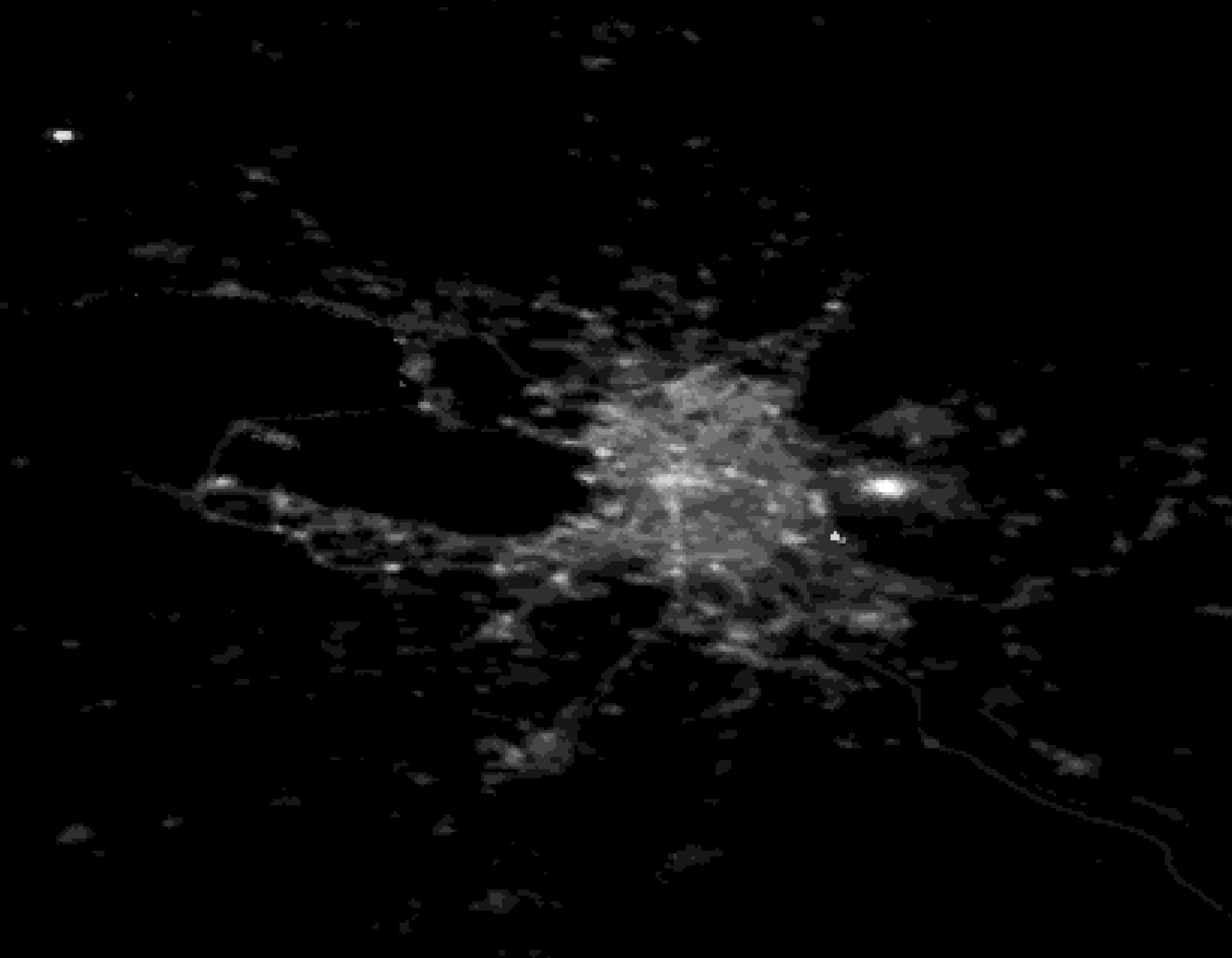
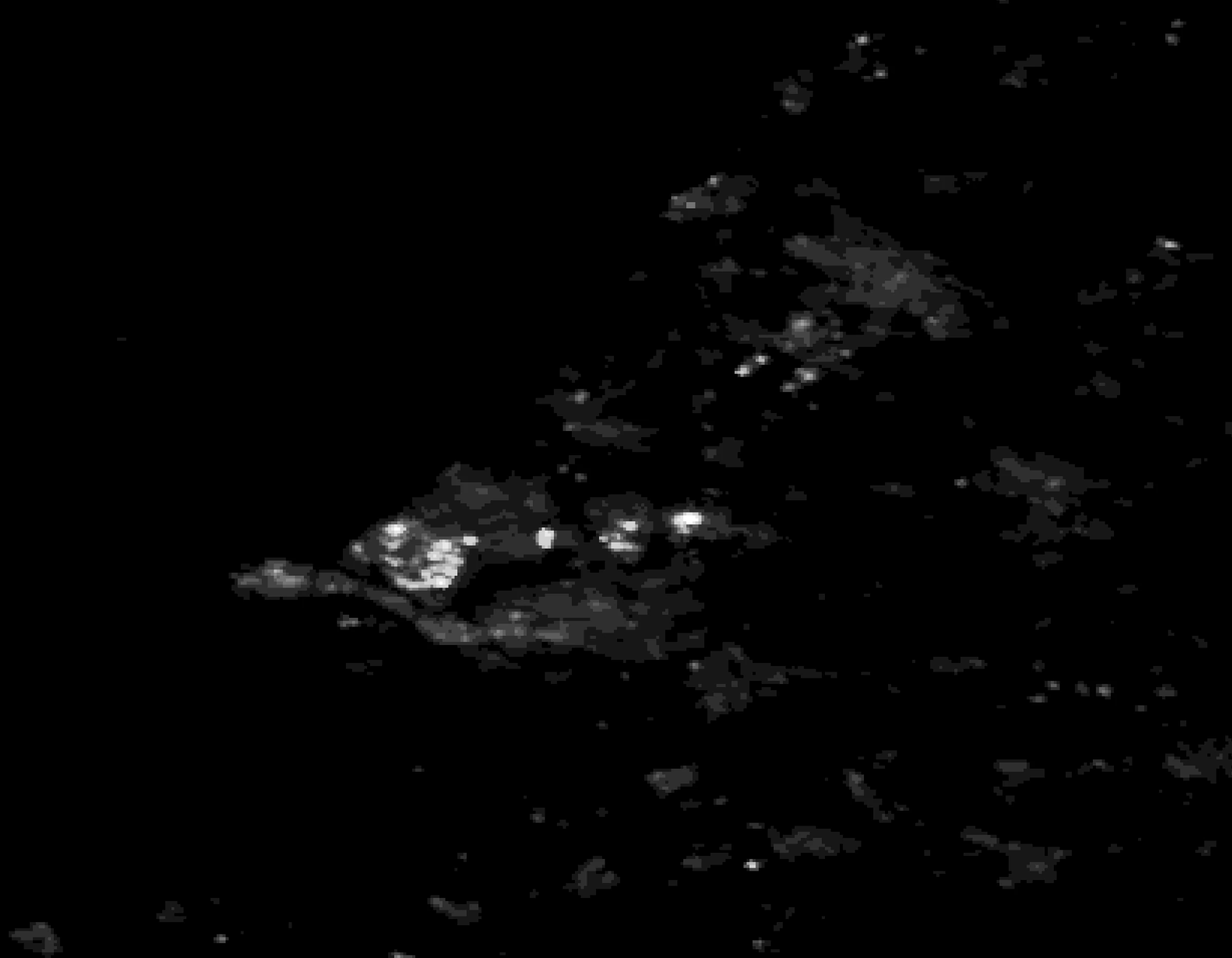
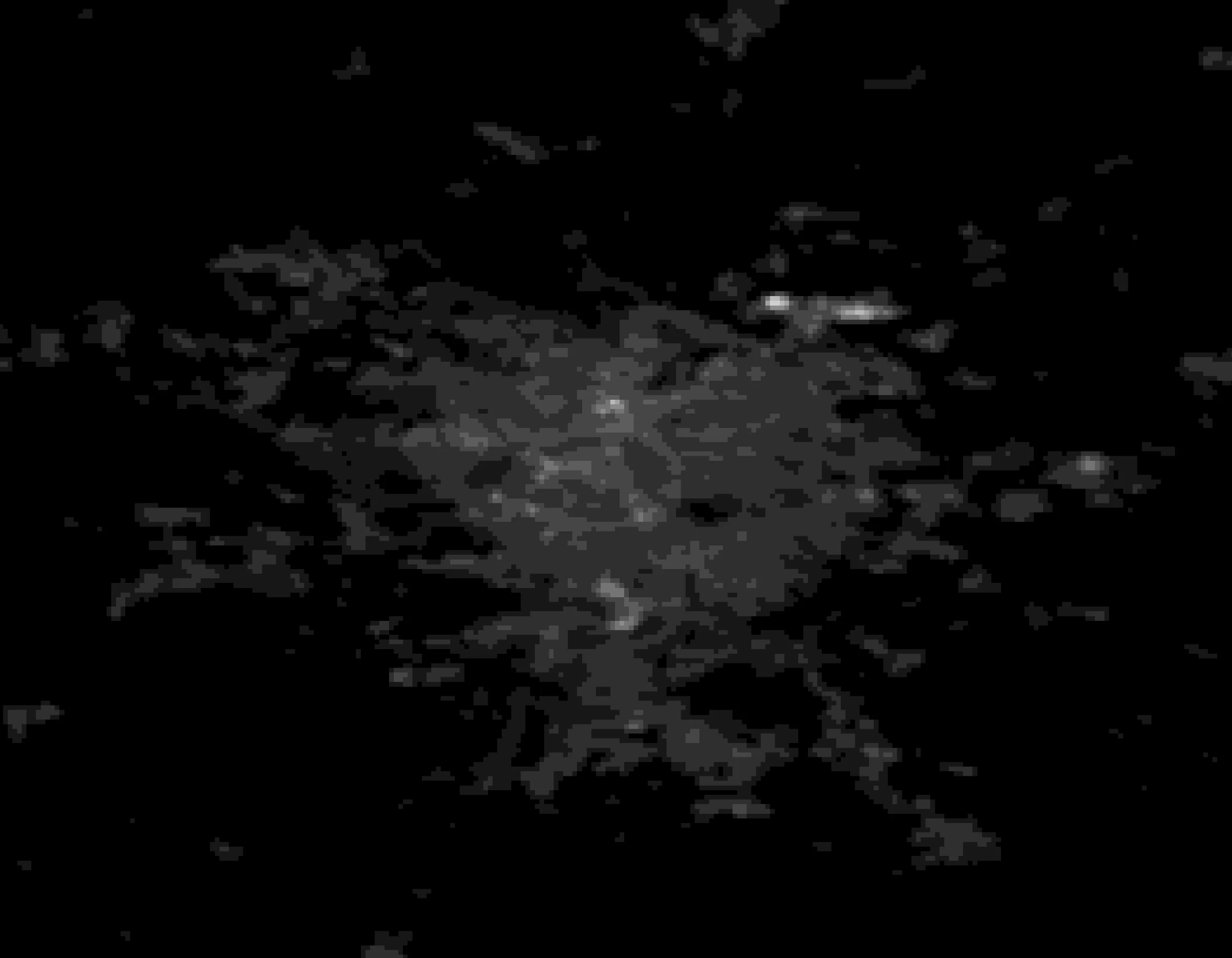
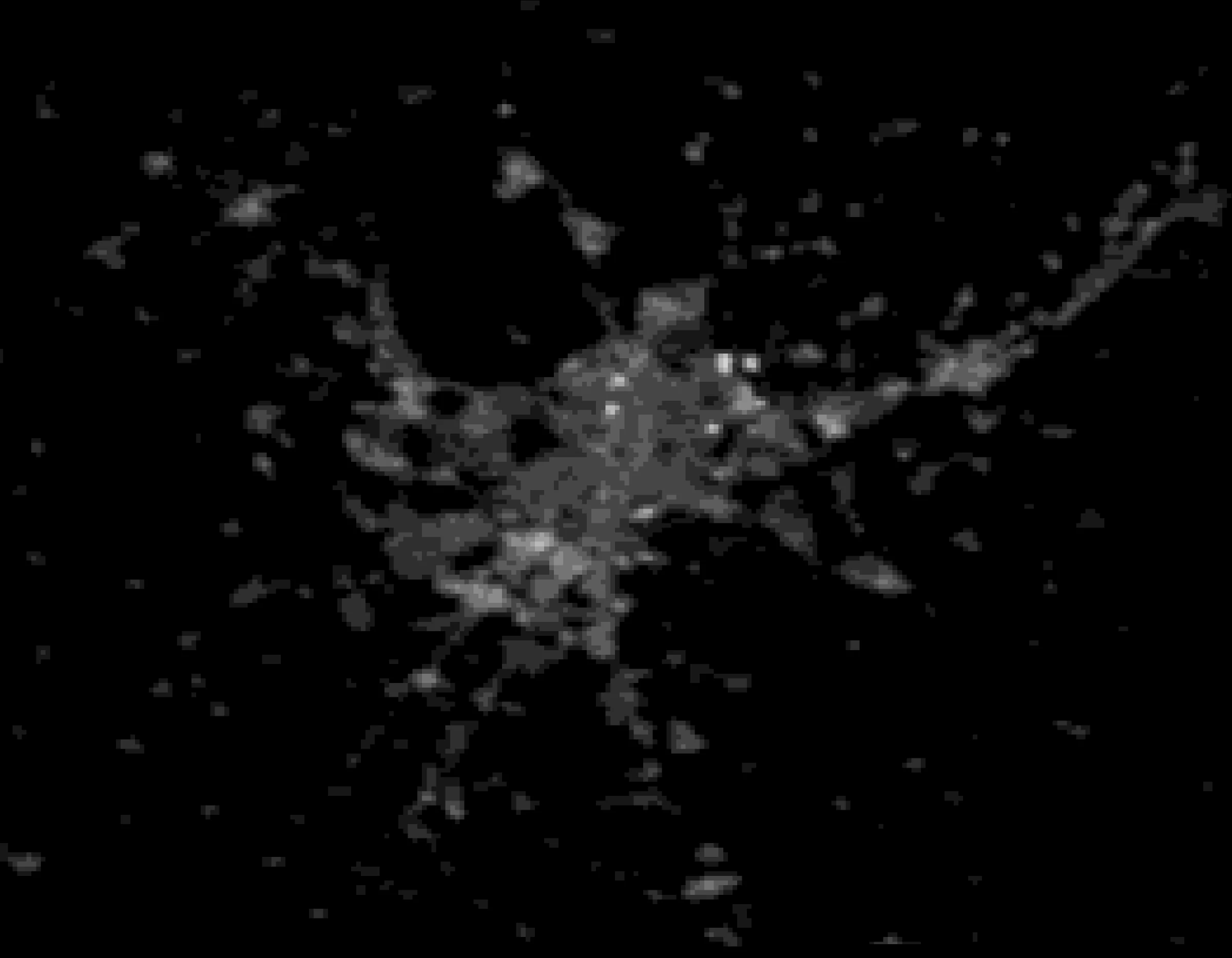
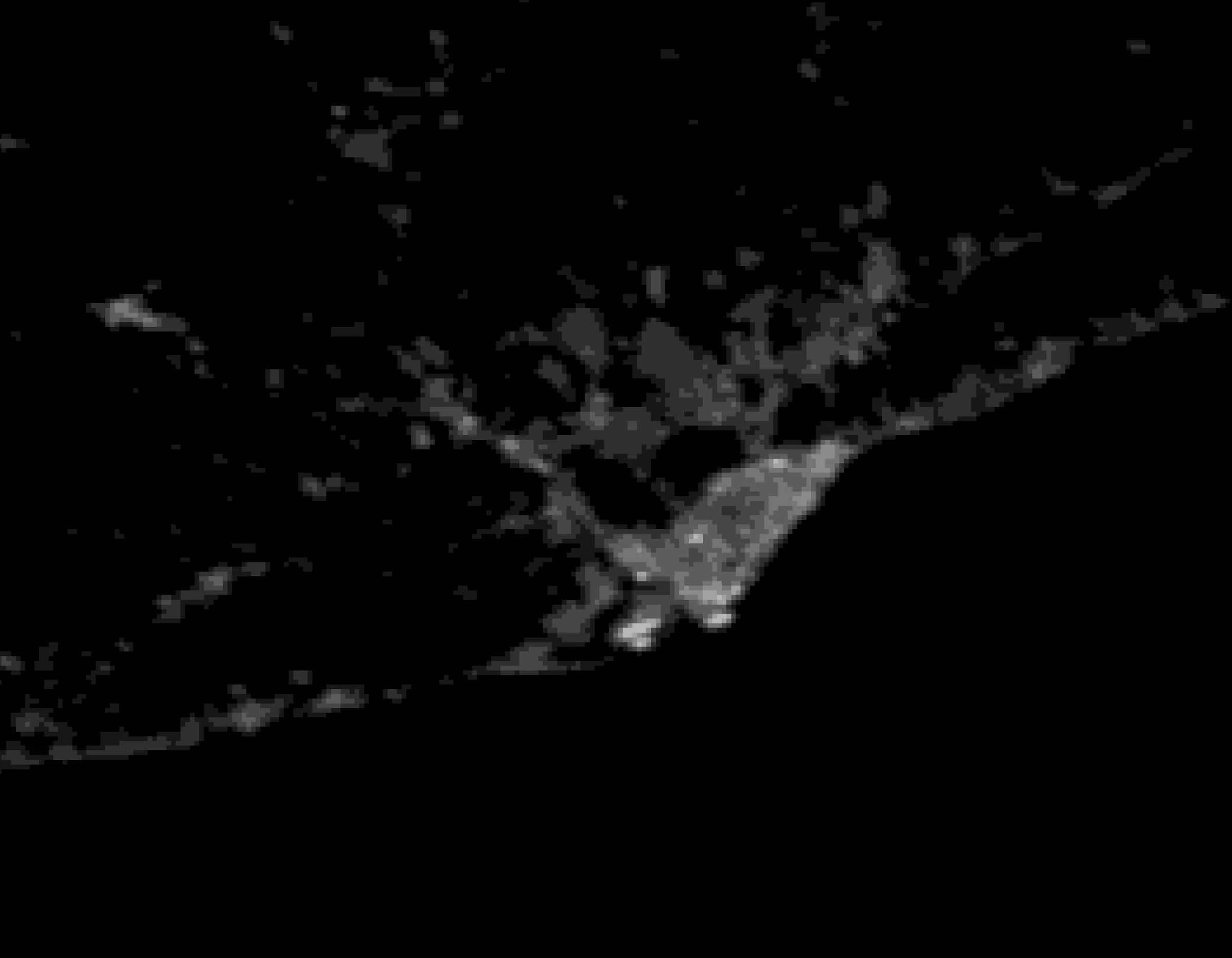
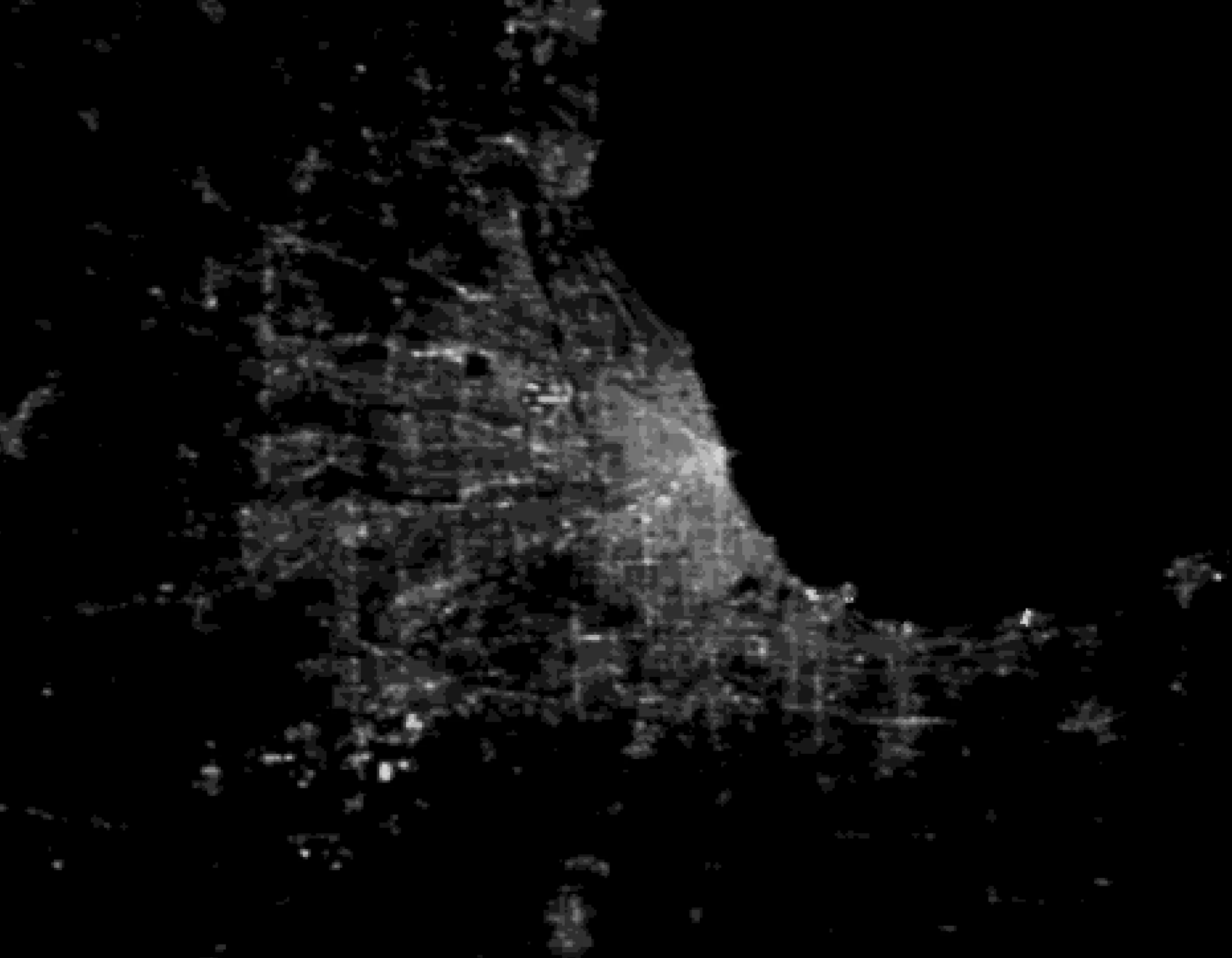
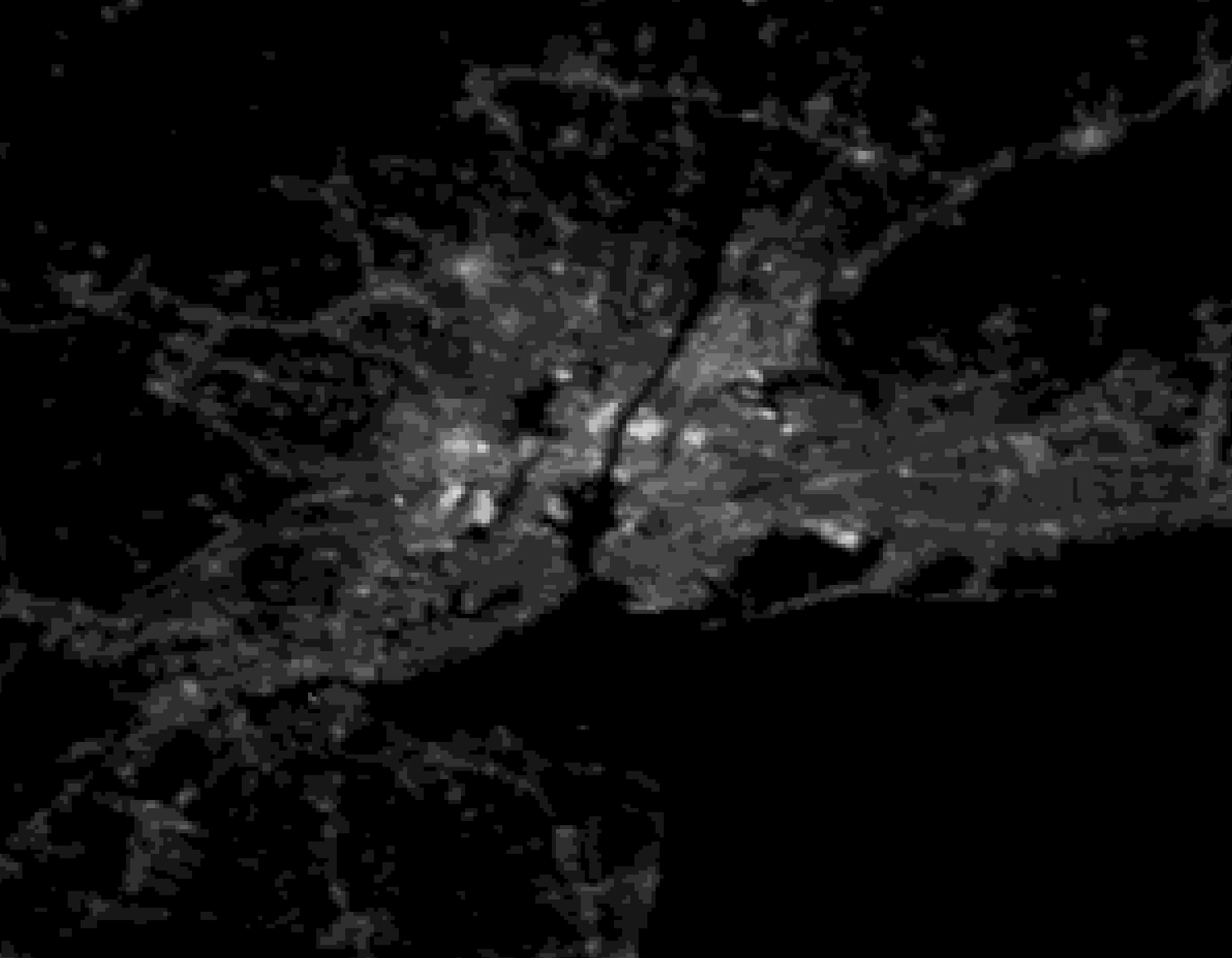
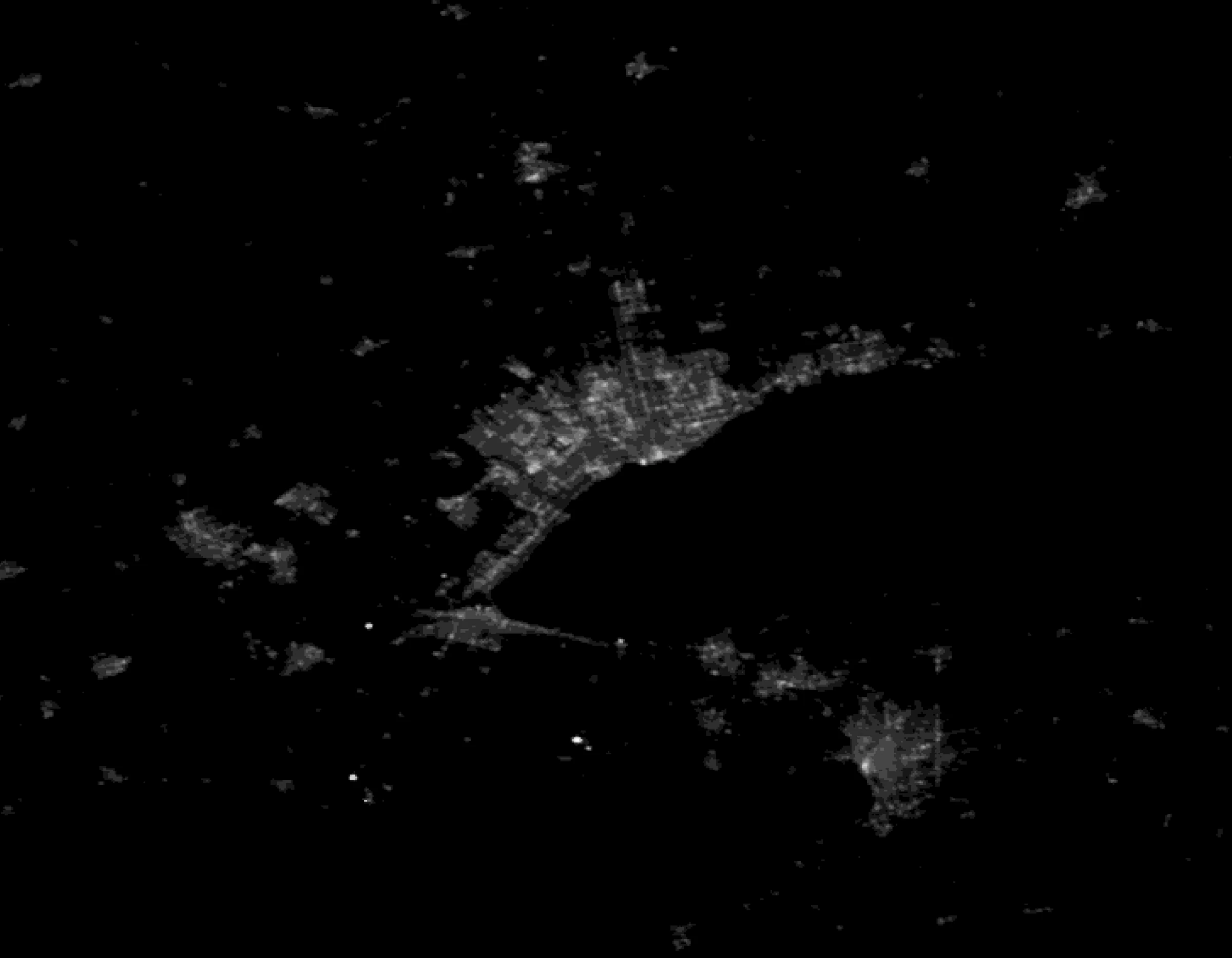
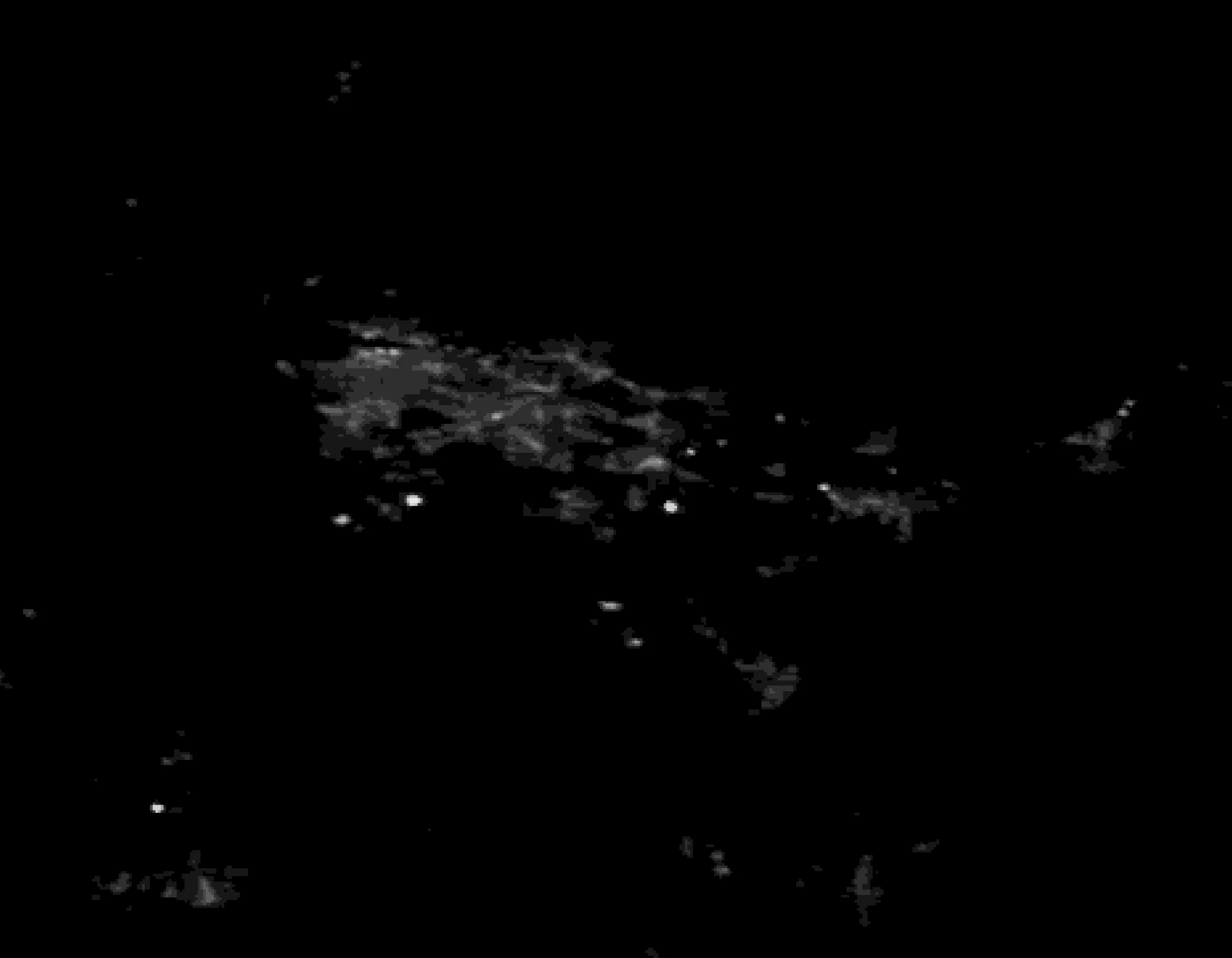
ꯑꯩꯒꯤ ꯊꯕꯛ ꯑꯁꯤ ꯆꯥꯎꯈꯠꯂꯛꯂꯤꯕ ꯂꯩꯕꯥꯛꯁꯤꯡꯗ ꯁꯦꯟꯃꯤꯠꯂꯣꯟ ꯆꯥꯎꯈꯠꯄ, ꯂꯧꯎ-ꯁꯤꯡꯎ, ꯅꯨꯄꯤ-ꯅꯨꯄꯥ ꯑꯃꯁꯨꯡ ꯑꯣꯟꯊꯣꯛꯄꯒꯤ ꯃꯔꯛꯇ ꯂꯩ꯫ ꯑꯩꯍꯥꯛꯅ ꯏꯃꯨꯡ ꯃꯅꯨꯡꯁꯤꯡ, ꯐꯥꯔ꯭ꯝꯁꯤꯡ ꯑꯃꯁꯨꯡ ꯀꯩꯊꯦꯜꯁꯤꯡ ꯀꯔꯝꯅ ꯃꯊꯧ ꯇꯧꯕꯒꯦ ꯍꯥꯏꯕꯗꯨ ꯅꯩꯅꯅꯕ ꯄꯥꯛꯇꯛꯅꯅ ꯌꯨꯝꯊꯣꯡꯒꯤ ꯁꯔꯚꯦꯁꯤꯡ ꯑꯃꯁꯨꯡ ꯖꯤꯑꯣꯁ꯭ꯄꯦꯁꯤꯌꯦꯜ ꯗꯦꯇꯥ ꯁꯤꯖꯤꯟꯅꯩ, ꯃꯔꯨꯑꯣꯏꯅ ꯗꯦꯇꯥ ꯌꯥꯝꯅ ꯋꯥꯠꯄ ꯅꯠꯇ꯭ꯔꯒ ꯈꯣꯝꯖꯤꯟꯕꯗ ꯑꯋꯥꯕ ꯂꯩꯕ ꯃꯐꯝꯁꯤꯡꯗ꯫ ꯑꯩꯍꯥꯛꯅ ꯖꯦꯅꯦꯚꯥꯗ ꯂꯩꯕ ꯒ꯭ꯔꯦꯖꯨꯑꯦꯠ ꯏꯟꯁꯇꯤꯇ꯭ꯌꯨꯠꯇ ꯄꯤꯑꯍꯗꯤ ꯐꯪꯈꯤ ꯑꯃꯁꯨꯡ IFPRI, ꯑꯥꯏ.ꯑꯦꯝ.ꯑꯦꯐ., ꯑꯃꯁꯨꯡ ꯋꯥꯔꯜ꯭ꯗ ꯕꯦꯡꯛꯇ ꯁꯔꯚꯦꯒꯤ ꯗꯦꯇꯥꯒ ꯂꯣꯏꯅꯅ ꯊꯕꯛ ꯇꯧꯈ꯭ꯔꯦ꯫
ꯑꯩꯍꯥꯛꯅ Dollar Scholarsꯂꯤꯡꯈꯠꯈꯤ, ꯃꯁꯤ ꯀꯩꯗꯧꯉꯩꯗ ꯐꯪꯗ꯭ꯔꯤꯕ ꯃꯄꯨꯡꯐꯥꯔꯕ ꯃꯤꯑꯣꯏꯁꯤꯡꯗ ꯈꯨꯗꯝ-ꯆꯥꯡꯗꯝꯗ ꯌꯨꯝꯐꯝ ꯑꯣꯏꯕ ꯁꯦꯜ-ꯊꯨꯝꯒꯤ ꯃꯍꯩ ꯇꯝꯕꯤꯕ ꯐꯥꯎꯟꯗꯦꯁꯟ ꯑꯃꯅꯤ꯫ ꯑꯩꯍꯥꯛꯅ ꯃꯁꯤꯒꯤ ꯋꯦꯕꯁꯥꯏꯠ ꯑꯃꯁꯨꯡ ꯂꯣꯟ ꯀꯌꯥꯒꯤ ꯑꯣꯏꯕ ꯀ꯭ꯋꯤꯖꯁꯨ ꯁꯥꯈꯤ꯫
ꯁꯦꯟꯃꯤꯠꯂꯣꯟꯒꯤ ꯃꯃꯥꯡꯗ, ꯑꯩꯍꯥꯛꯅ ꯲꯰꯰꯴ ꯑꯃꯁꯨꯡ ꯲꯰꯱꯱ꯒꯤ ꯃꯔꯛꯇ ꯁꯤꯑꯣꯜꯗꯒꯤ ꯃꯣꯟꯖꯥ ꯐꯥꯎꯕ ꯀꯥꯎꯟꯇꯔ-ꯁ꯭ꯇ꯭ꯔꯥꯏꯛ ꯑꯃꯁꯨꯡ ꯋꯥꯔꯀ꯭ꯔꯥꯐ III ꯇꯨꯔꯅꯥꯃꯦꯟꯠꯁꯤꯡ ꯀꯧꯗꯨꯅ, ꯄ꯭ꯔꯣꯐꯦꯁꯅꯦꯜ ꯏꯁ꯭ꯄꯣꯔꯠꯁꯀꯤ ꯋꯥꯉꯥꯡꯂꯣꯏ ꯑꯃ ꯑꯣꯏꯅ ꯆꯍꯤ ꯇꯔꯦꯠ ꯂꯩꯈꯤ꯫ ꯑꯩ ꯍꯧꯖꯤꯛꯁꯨ ꯀꯥꯎꯟꯇꯔ-ꯁ꯭ꯇ꯭ꯔꯥꯏꯛ ꯲ ꯑꯃꯁꯨꯡ ꯑꯣꯚꯔꯋꯥꯆ ꯲ ꯁꯥꯟꯅꯔꯤ, ꯑꯃꯁꯨꯡ ꯑꯦꯚꯔꯀ꯭ꯋꯦꯁꯠꯇ ꯕꯥꯔ꯭ꯗ ꯑꯃ ꯑꯣꯏꯅ ꯔꯦꯗ ꯇꯧꯔꯤ꯫
ꯊꯤꯖꯤꯟ ꯍꯨꯝꯖꯤꯟꯕ
-
ꯊꯕꯛ ꯇꯧꯕ ꯆꯦ
Spreading the love around: how does agricultural labor demand respond to temporary weather shocks?
Across six countries, farm households lean heavily on family labor during droughts and unusually wet periods. Women-headed households are significantly more constrained.
Abstract
This is the first study to separately identify labor demand responses to both unanticipated droughts and periods of above normal rainfall for three forms of agricultural labor that are central to agricultural production: family, hired, and mutual exchange labor. I use a simple parcel‑level model with three labor types and monitoring costs to study how family labor is reallocated across parcels during drought. In six countries I find small but statistically significant decreases in the share of hired labor during droughts and during periods of above-normal rainfall, indicating a strong reliance on family labor during shocks. I find that farm households appear to lean heavily on exchange labor by using exchange labor more frequently during periods of above-normal rainfall. Due to the heavy reliance on family labor, household size and the gender of the household head are important moderating factors. Women-headed households appear to be significantly more constrained in how they apply labor on family farms. My findings underscore that these labor types are distinct in how they respond to temporary weather shocks. The results of my analysis have important implications for policies targeted at stimulating agricultural labor markets.
-
ꯊꯕꯛ ꯆꯠꯊꯔꯤ
Assessing land area from above: evidence from Armenia
ꯏꯃꯨꯡ ꯃꯅꯨꯡꯒꯤ ꯁꯔꯚꯦ ꯑꯃꯒꯤ ꯃꯅꯨꯡꯗ ꯃꯊꯪ ꯃꯅꯥꯎ ꯅꯥꯏꯗꯅ ꯆꯥꯡꯌꯦꯡ ꯇꯧꯕ: ꯁꯦꯇꯦꯂꯥꯏꯠꯀꯤ ꯃꯃꯤꯁꯤꯡꯗ ꯂꯝꯁꯤꯡ ꯊꯤꯕꯗ ꯖꯤ.ꯄꯤ.ꯑꯦꯁ.ꯅ ꯑꯣꯟꯕꯗꯒꯤ ꯆꯥꯗ ꯴꯲% ꯍꯦꯟꯅ ꯆꯪꯈꯤ ꯑꯃꯁꯨꯡ ꯃꯁꯥꯅ ꯄꯥꯎꯗꯝꯖꯕ ꯆꯧꯔꯥꯛꯄꯁꯤꯡꯗ ꯐꯒꯠꯂꯛꯈꯤ, ꯑꯗꯨꯕꯨ ꯃꯁꯤ ꯖꯤ.ꯄꯤ.ꯑꯦꯁ.ꯇꯒꯤ ꯍꯦꯟꯅ ꯆꯞ ꯆꯥꯕ ꯑꯣꯏꯗꯦ꯫
Abstract
Using primary data collected by the World Bank in Armenia as part of a randomized controlled trial, we evaluate the use of a satellite image tracing to measure agricultural land in the context of a household survey. Satellite tracing offers several benefits, including a large reduction in the cost of measuring land, the potential to measure more parcels of land, and improved security for survey enumerators. We find the satellite tracing approach yields consistent results, and requires 42% less time than measuring with GPS, and provides value-added over self-reported estimates. Due to the potential cost savings, and other non-trivial benefits, we suggest that land measurement via satellite image tracing offers significant value, though is not as accurate as land area estimates conducted with a handheld GPS.
ꯇꯝꯕꯤꯕ
ꯃꯍꯥꯛ ꯑꯁꯤ ꯇꯁꯦꯡꯅ ꯑꯃꯦꯔꯤꯀꯥꯟ ꯌꯨꯅꯤꯕꯔꯁꯤꯇꯤꯗ ꯑꯩꯅ ꯂꯩꯈꯤꯕ ꯈ꯭ꯋꯥꯏꯗꯒꯤ ꯐꯕ ꯄ꯭ꯔꯣꯐꯦꯁꯔꯁꯤꯡꯒꯤ ꯃꯅꯨꯡꯗ ꯑꯃꯅꯤ꯫ ꯃꯍꯥꯛꯅ 'ꯁꯦꯂꯤꯗ ꯁꯦꯝ ꯴ ꯂꯩ ꯑꯃꯁꯨꯡ ꯗꯦꯕꯇ ꯀꯣꯝꯂꯥ ꯱꯵ ꯂꯩ' ꯍꯥꯏꯕꯒꯤ ꯃꯑꯣꯡꯒꯤ ꯈꯨꯗꯣꯡꯆꯥꯗꯕ ꯂꯩꯕꯒꯤ ꯃꯍꯨꯠꯇ ꯀ꯭ꯂꯥꯁ ꯑꯗꯨꯅ ꯗꯦꯇꯥꯒꯤ ꯑꯁꯦꯡꯕ ꯃꯥꯂꯦꯝꯒꯤ ꯈꯨꯗꯝꯁꯤꯡ ꯁꯤꯖꯤꯟꯅꯅꯕ ꯍꯣꯠꯅꯩ... ꯃꯍꯥꯛ ꯑꯁꯤ ꯀꯣꯂꯦꯖꯒꯤ ꯄ꯭ꯔꯣꯐꯦꯁꯔ ꯑꯃꯅ ꯑꯣꯏꯒꯗꯕ ꯄꯨꯝꯅꯃꯛꯅꯤ ꯑꯃꯁꯨꯡ ꯃꯗꯨꯒꯤ ꯃꯇꯨꯡꯗ ꯈꯔꯅꯤ꯫
-
2021 – 2024
ꯑꯦꯗꯖꯪꯛꯠ ꯄ꯭ꯔꯣꯐꯦꯁꯔ · ꯑꯃꯦꯔꯤꯀꯥꯟ ꯌꯨꯅꯤꯕꯔꯁꯤꯇꯤ
ꯏꯀꯣꯅꯣꯃꯤꯛ ꯗꯤꯚꯦꯂꯞꯃꯦꯟꯠ, ꯑꯦꯄ꯭ꯂꯥꯏꯗ ꯏꯀꯣꯅꯣꯃꯦꯇ꯭ꯔꯤꯛꯁ, ꯑꯃꯁꯨꯡ ꯏꯟꯇ꯭ꯔꯣꯗꯛꯇꯣꯔꯤ ꯃꯥꯏꯀ꯭ꯔꯣ- ꯑꯃꯁꯨꯡ ꯃꯦꯀ꯭ꯔꯣꯏꯀꯣꯅꯣꯃꯤꯛꯁ, ꯑꯁꯦꯡꯕ ꯗꯦꯇꯥ ꯑꯃꯁꯨꯡ ꯑꯁꯦꯡꯕ ꯃꯥꯂꯦꯝꯒꯤ ꯈꯨꯗꯝꯁꯤꯡꯒ ꯂꯣꯏꯅꯅ ꯇꯝꯕꯤꯈꯤ꯫
-
2015 – 2018
ꯒ꯭ꯔꯦꯖꯨꯑꯦꯠ ꯏꯟꯁꯇꯤꯇ꯭ꯌꯨꯠ, ꯖꯦꯅꯦꯚꯥ
ꯏꯀꯣꯅꯣꯃꯤꯛꯁ ꯐꯣꯔ ꯏꯟꯇꯔꯅꯦꯁ꯭ꯅꯦꯜ ꯑꯦꯐꯦꯌꯔꯁ (꯲꯰꯱꯵–꯲꯰꯱꯶) ꯑꯃꯁꯨꯡ ꯔꯤꯚꯤꯌꯨ ꯁꯦꯁꯟꯁ ꯐꯣꯔ ꯃꯦꯀ꯭ꯔꯣꯏꯀꯣꯅꯣꯃꯤꯛꯁ ꯑꯦ (꯲꯰꯱꯷–꯲꯰꯱꯸)꯫
-
ꯀꯥꯡꯂꯨꯞ
Economics Discord
꯵꯰꯱(ꯁꯤ)(꯳) ꯃꯍꯩ-ꯃꯁꯤꯡ ꯇꯝꯕꯒꯤ ꯁꯦꯟꯗꯣꯡ ꯌꯥꯎꯗꯕ ꯑꯃꯁꯨꯡ ꯊꯕꯛ ꯇꯧꯃꯤꯟꯅꯕ ꯗꯤꯁꯀꯣꯔ꯭ꯗ ꯁꯔꯚꯔ ꯃꯐꯝ ꯑꯁꯤꯗ ꯆꯥꯎꯔꯥꯛꯅ ꯂꯩꯕꯥꯛ ꯳꯰ꯗꯒꯤ ꯏꯀꯣꯅꯣꯃꯤꯛꯁꯀꯤ ꯃꯍꯩꯔꯣꯏ, ꯊꯤꯖꯟ ꯍꯨꯝꯖꯟꯕ ꯑꯃꯁꯨꯡ ꯁꯦꯟꯃꯤꯠꯂꯣꯟ ꯅꯩꯅꯔꯣꯏ ꯳,꯰꯰꯰ ꯍꯦꯟꯕꯅ ꯑꯃꯒ ꯑꯃꯒ ꯇꯝꯕꯗ ꯃꯇꯦꯡ ꯄꯥꯡꯉꯤ꯫
Dollar Scholars
-
ꯂꯤꯡꯈꯠꯄ
Dollar Scholars
ꯑꯍꯜ ꯑꯣꯏꯔꯕ ꯁꯦꯜ-ꯊꯨꯝꯒꯤ ꯃꯍꯩ ꯇꯝꯕꯤꯕꯒꯤ ꯌꯨꯝꯐꯝ ꯑꯃ, ꯃꯁꯥꯃꯛꯅ ꯇꯝꯕꯤꯕ ꯑꯃꯁꯨꯡ ꯊꯤꯖꯤꯟ-ꯍꯨꯝꯖꯤꯟꯕꯗ ꯌꯨꯝꯐꯝ ꯑꯣꯏꯕ, ꯃꯔꯝꯗꯤ ꯁꯦꯟꯐꯝ ꯑꯁꯤ ꯀꯔꯝꯅ ꯁꯤꯖꯤꯟꯅꯒꯗꯒꯦ ꯍꯥꯏꯕ ꯈꯪꯗꯕ ꯃꯤꯑꯣꯏꯁꯤꯡꯗ ꯃꯇꯦꯡ ꯄꯥꯡꯕ ꯉꯝꯗꯦ꯫
ꯄ꯭ꯔꯣꯒ꯭ꯔꯥꯝꯃꯤꯡ
-
ꯋꯦꯕ ꯗꯤꯚꯦꯂꯞꯃꯦꯟꯠ
dollarscholars.org
ꯑꯩꯍꯥꯛꯅ ꯐꯥꯎꯟꯗꯦꯁꯟ ꯑꯁꯤꯒꯤ ꯋꯦꯕꯁꯥꯏꯠ ꯑꯗꯨ ꯗꯤꯖꯥꯏꯟ ꯇꯧꯈꯤ, ꯀꯣꯗ ꯇꯧꯈꯤ ꯑꯃꯁꯨꯡ ꯃꯁꯥꯅ ꯍꯟꯗꯣꯛꯈꯤ: ꯇꯦꯜꯋꯤꯟꯗ ꯁꯤ.ꯑꯦꯁ.ꯑꯦꯁ.ꯅ ꯃꯑꯣꯡ ꯃꯇꯧ ꯁꯦꯝꯕ ꯑꯃꯁꯨꯡ ꯎꯕꯨꯟꯇꯨ ꯁꯔꯚꯔ ꯑꯃꯗ nginx ꯒ ꯂꯣꯏꯅꯅ ꯃꯁꯥꯅ ꯍꯣꯁꯠ ꯇꯧꯈꯤꯕ, ꯁꯥꯏꯕꯔꯑꯦꯇꯦꯛ ꯑꯃꯒꯤ ꯃꯇꯨꯡꯗ ꯆꯦꯛꯁꯤꯟ ꯊꯧꯔꯥꯡ ꯋꯥꯈꯜꯗ ꯑꯃꯨꯛ ꯍꯟꯅ ꯁꯦꯝꯒꯠꯈꯤ꯫ ꯃꯁꯤ ꯌꯦꯠꯇꯒꯤ ꯑꯣꯏ ꯂꯣꯜ ꯃꯔꯤ (ꯑꯔꯥꯕꯤꯛ, ꯍꯤꯕ꯭ꯔꯨ, ꯄꯔꯁꯤꯌꯥꯟ ꯑꯃꯁꯨꯡ ꯎꯔꯗꯨ) ꯌꯥꯎꯅ ꯂꯣꯟꯒꯤ ꯃꯑꯣꯡ ꯴꯴ꯗ ꯂꯥꯛꯏ ꯑꯃꯁꯨꯡ ꯚꯣꯂꯨꯟꯇꯤꯌꯔ ꯍꯟꯗꯣꯛꯄꯁꯤꯡꯅ ꯏꯆꯝ ꯆꯝꯕ ꯁꯤ.ꯑꯦꯁ.ꯚꯤ. ꯋꯥꯔ꯭ꯛꯐ꯭ꯂꯣꯒꯤ ꯈꯨꯠꯊꯥꯡꯗ ꯚꯔꯖꯟ ꯑꯃꯍꯦꯛꯇꯕꯨ ꯌꯦꯡꯕ ꯑꯃꯁꯨꯡ ꯆꯨꯝꯊꯣꯛꯄ ꯌꯥꯏ꯫
-
Financial Knowledge Study
ꯂꯣꯟ ꯳꯱ꯗ ꯂꯣꯟ ꯀꯌꯥꯒꯤ ꯑꯣꯏꯕ ꯁꯦꯜ-ꯊꯨꯝꯒꯤ ꯂꯧꯁꯤꯡꯒꯤ ꯁꯔꯚꯦ ꯑꯃꯁꯨꯡ ꯀ꯭ꯋꯤꯖ ꯑꯃ, ꯄ꯭ꯂꯁ ꯄꯥꯏꯔꯦꯠ ꯁ꯭ꯄꯤꯛ ꯑꯃꯁꯨꯡ ꯱꯹꯳꯰ꯒꯤ ꯃꯣꯕꯁ꯭ꯇꯔꯒꯨꯝꯕ ꯁꯥꯟꯅꯕ ꯃꯉꯥ꯫ ꯋꯥꯍꯪꯁꯤꯡ ꯑꯁꯤ Lusardi & Mitchell (2014) ꯑꯃꯁꯨꯡ ꯐꯤꯟꯔꯥ ꯐꯥꯎꯟꯗꯦꯁꯟꯒꯤ ꯅꯦꯁꯅꯦꯜ ꯐꯥꯏꯅꯦꯟꯁꯤꯌꯦꯜ ꯀꯦꯄꯦꯕꯤꯂꯤꯇꯤ ꯁ꯭ꯇꯗꯤꯗꯒꯤ ꯂꯧꯁꯤꯟꯈꯤ; ꯍꯟꯗꯣꯛꯄꯁꯤꯡ ꯑꯁꯤ ꯃꯥꯏꯀ꯭ꯔꯣꯁꯣꯐꯠ ꯀꯣꯄꯥꯏꯂꯣꯠ ꯑꯃꯁꯨꯡ ꯗꯤꯞ ꯇ꯭ꯔꯥꯟꯁ꯭ꯂꯦꯇꯔꯒ ꯂꯣꯏꯅꯅ ꯁꯦꯝꯈꯤ ꯑꯃꯁꯨꯡ ꯐꯪꯂꯤꯕ ꯃꯐꯝꯗ ꯚꯣꯂꯨꯟꯇꯤꯌꯔꯁꯤꯡꯅ ꯔꯤꯚꯤꯌꯨ ꯇꯧꯈꯤ꯫
-
ꯊꯤꯖꯟ ꯍꯨꯝꯖꯟꯕ ꯀꯝꯄ꯭ꯌꯨꯇꯤꯡ
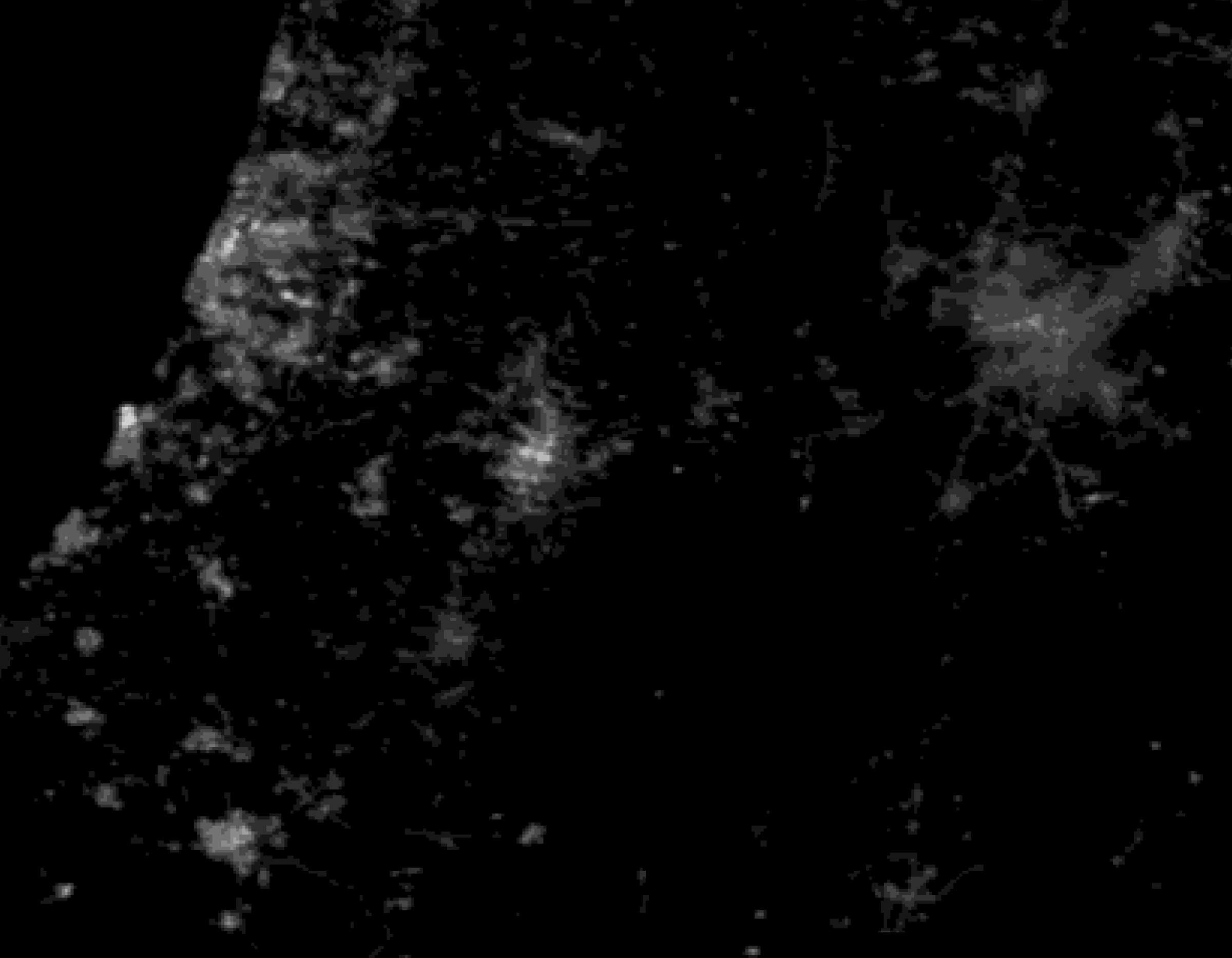
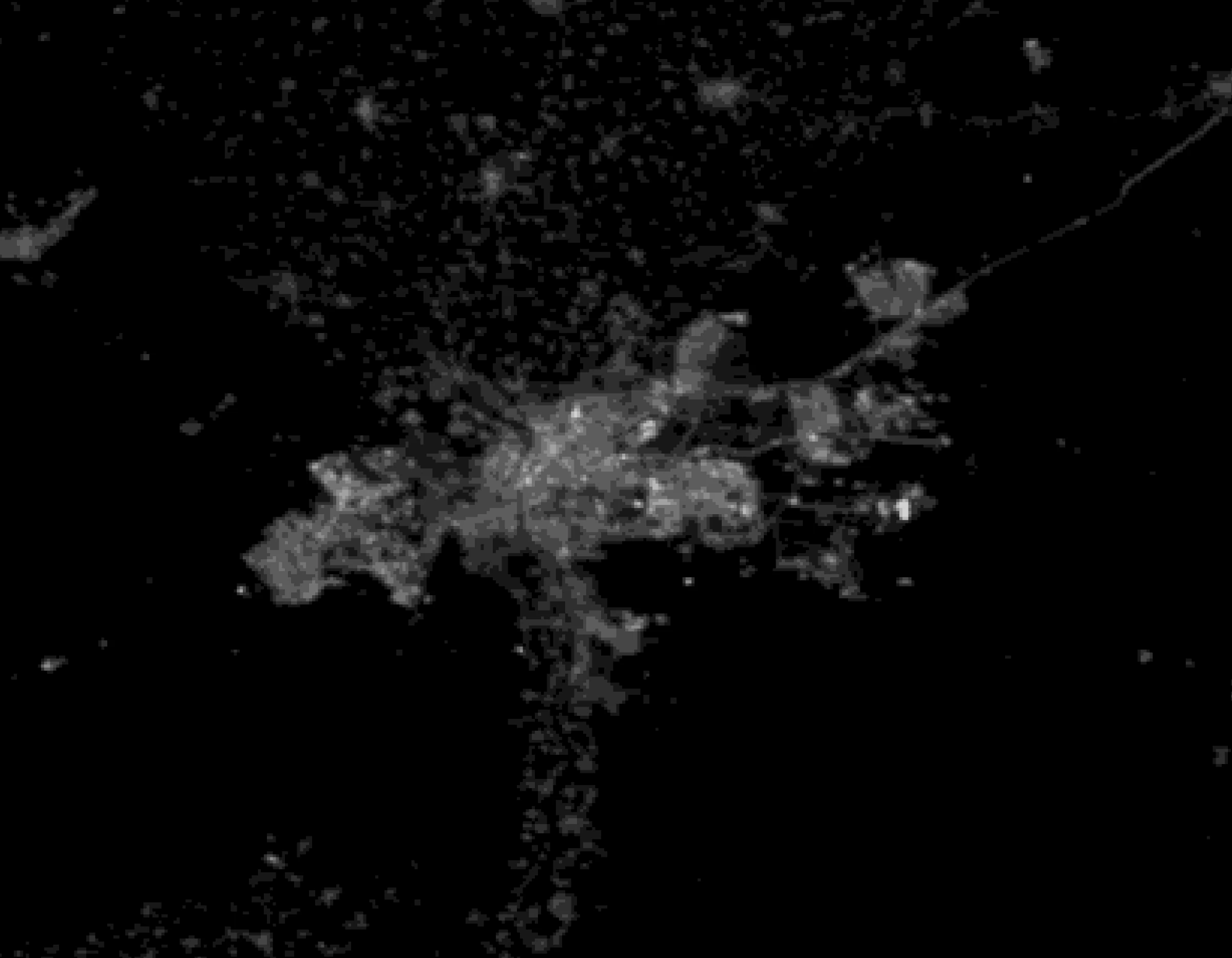
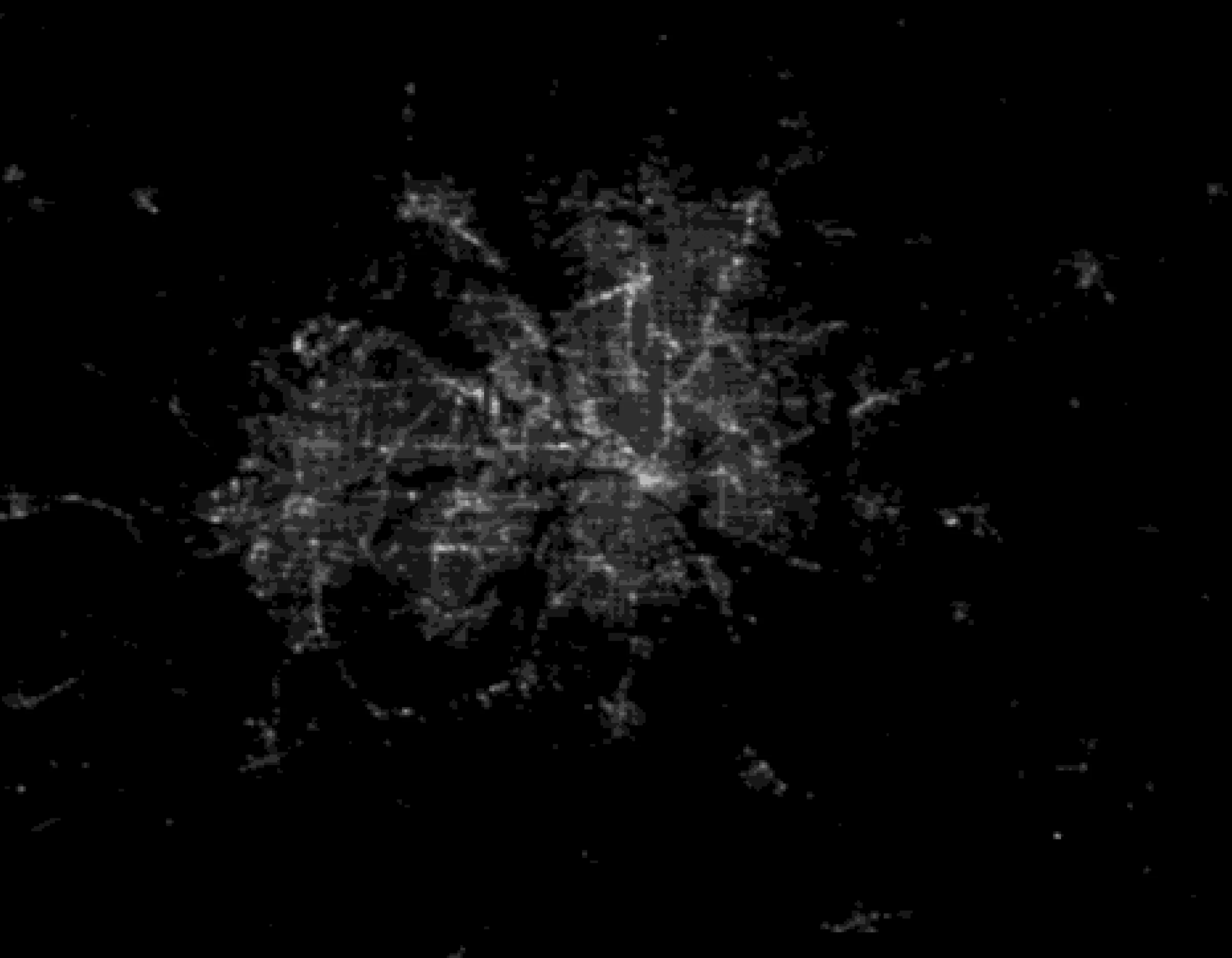
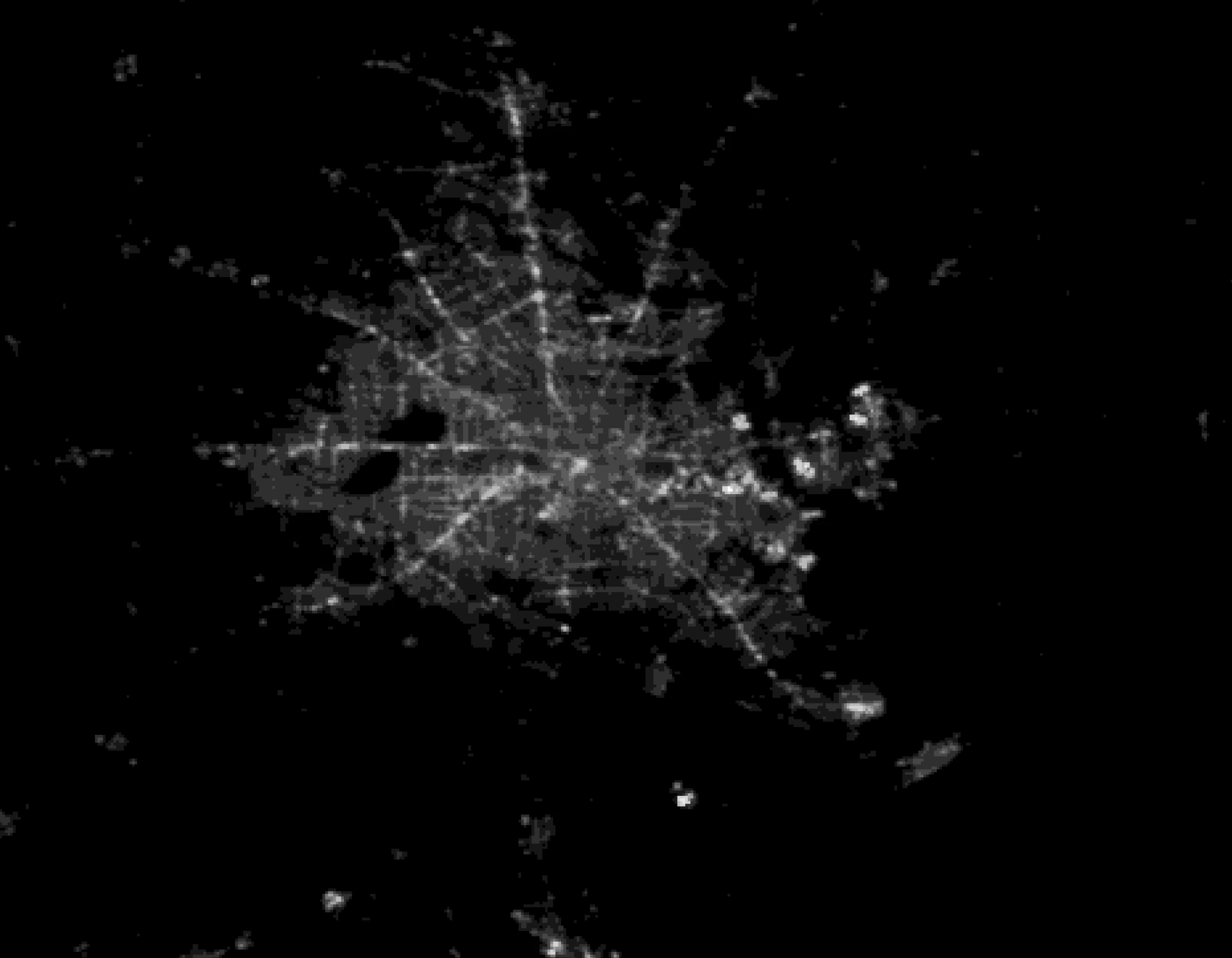
ꯗꯦꯇꯥ ꯑꯃꯁꯨꯡ ꯖꯤꯑꯣꯁ꯭ꯄꯦꯁꯤꯌꯦꯜ ꯑꯦꯅꯂꯥꯏꯁꯤꯁ
ꯌꯨꯝꯊꯣꯡ ꯁꯔꯚꯦꯁꯤꯡꯒꯨꯝꯕ ꯑꯆꯧꯕ ꯗꯦꯇꯥꯁꯦꯠꯁꯤꯡꯒꯤꯗꯃꯛ ꯄꯥꯏꯊꯣꯟ (ꯄꯥꯟꯗꯥꯁ) ꯑꯃꯁꯨꯡ ꯁ꯭ꯇꯦꯇꯥ, ꯑꯃꯁꯨꯡ ꯁꯦꯇꯦꯂꯥꯏꯠ ꯗꯦꯇꯥꯒꯤꯗꯃꯛ ꯖꯤꯑꯥꯏꯑꯦꯁ (ꯑꯥꯔꯛꯖꯤꯑꯥꯏꯑꯦꯁ), ꯃꯁꯤꯗ ꯋꯦꯕꯁꯥꯏꯠ ꯑꯁꯤꯒꯤ ꯃꯇꯨꯡꯗ ꯂꯩꯕ ꯚꯤꯑꯥꯏꯑꯥꯔꯑꯦꯁ ꯅꯨꯃꯤꯗꯥꯡꯒꯤ ꯃꯩ ꯀꯝꯄꯣꯖꯤꯠꯁꯤꯡ ꯃꯦꯞ ꯇꯧꯕ ꯌꯥꯎꯋꯤ꯫
ꯏꯁ꯭ꯄꯣꯔꯠꯁꯀꯤ ꯋꯥꯔꯣꯜ
-
2004 – 2011
ꯏꯁ꯭ꯄꯣꯔꯠꯁꯀꯤ ꯋꯥꯉꯥꯡꯂꯣꯏ
ꯗꯥꯏꯔꯦꯛꯇꯤꯚꯤ, ꯑꯦꯝ.ꯇꯤ.ꯚꯤ. ꯑꯃꯁꯨꯡ ꯑꯦꯝ.ꯇꯤ.ꯚꯤ. ꯀꯣꯔꯤꯌꯥ ꯌꯥꯎꯅ ꯕ꯭ꯔꯣꯗꯀꯥꯁ꯭ꯇꯔꯁꯤꯡꯒꯤꯗꯃꯛꯇ ꯀꯥꯎꯟꯇꯔ-ꯁ꯭ꯇ꯭ꯔꯥꯏꯛ ꯱.꯶ ꯑꯃꯁꯨꯡ ꯋꯥꯔꯀ꯭ꯔꯥꯐ III ꯍꯥꯏꯅ ꯀꯧꯏ, Alex “Vansilli” Nguyen, Glenn “Boomerman” Lane ꯑꯃꯁꯨꯡ Zach “Hoo_man” Godfreyꯑꯁꯤꯒꯨꯝꯕ ꯀꯥꯁ꯭ꯇꯔꯁꯤꯡꯒ ꯂꯣꯏꯅꯅ꯫
-
ꯄ꯭ꯔꯦꯁ · MTV.com (ꯑꯥꯔꯀꯥꯢꯚ꯭ꯗ)
Video game play-by-play comes with a deadly challenge